Thorough Water Damage Services: Protect Your Property From Forthcoming Issues
Extensive liquid harm services play an essential role in protecting properties from ongoing risks. They include routine checks and upkeep of plumbing and roof systems. Prompt detection of potential issues can prevent substantial harm. Furthermore, cutting-edge methods like water removal and mold treatment address existing problems effectively. However, the most effective strategies also include preventive measures. Comprehending these aspects can be vital for homeowners seeking to safeguard their assets and ensure long-term safety. What should they focus on next?
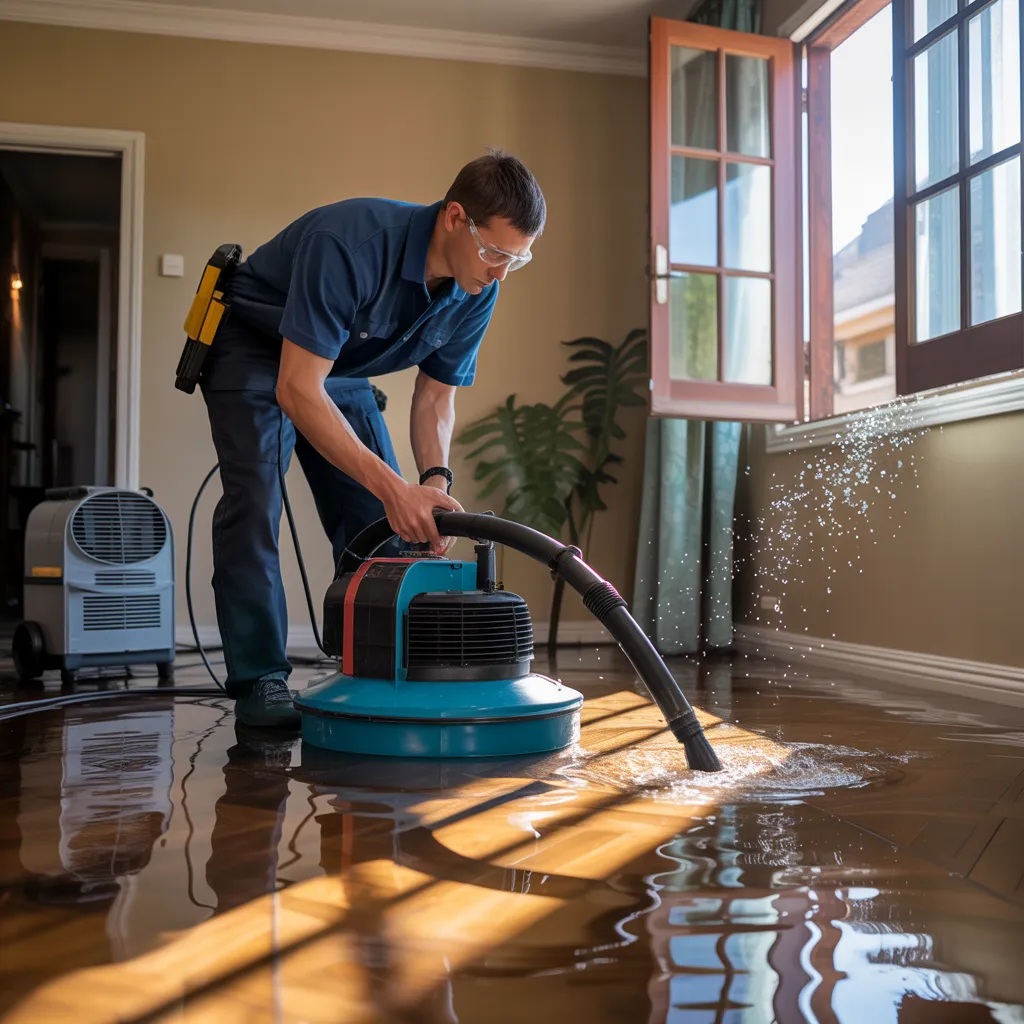
Why You Should Act Fast on Water Damage
Tackling water damage quickly is necessary. Waiting to act can contribute to pressing issues, such as structural damage, mold growth, and ballooning repair costs. Water can absorb into walls, flooring, and insulation, providing a prime environment for mold spores to flourish within 24 to 48 hours. This not only risks the property but also poses risks to inhabitants.
Moreover, the extended the water persists, the more severe the damage develops, possibly threatening the structural integrity of the structure. Rapid intervention helps to reduce these impacts, protecting both the asset's worth and the safety of its inhabitants.
Moreover, prompt action can facilitate the recovery process, enabling homeowners to return to normalcy faster. Engaging expert remediation teams promptly can guarantee thorough evaluations and effective remediation, preventing additional problems in the future. Prioritizing quick action is essential for safeguarding both assets and wellbeing.

What Causes Liquid Destruction and How to Detect It Soon?
Water damage may arise from various sources, making early recognition crucial for mitigation. Common causes include plumbing leaks, roof leaks, and natural disasters such as heavy rain or floods. Aging infrastructure, such as worn-out pipes or compromised roofing materials, can also contribute greatly to water intrusion.
Property owners should stay watchful for indications of water harm, which may include stains on walls or ceilings, a musty odor, and fungal growth. Additionally, peeling paint and bent flooring are signals that dampness may be there. Regular examinations of plumbing systems and roofing can help identify issues before they escalate.
Early discovery is vital; addressing potential sources of water damage promptly can minimize costly repairs and protect the integrity of the property. By understanding the causes and recognizing the signs, property owners can take proactive measures to safeguard their homes against water damage problems.
Necessary Services for Efficient Water Damage Restoration
When a building experiences flood damage, prompt and qualified restoration services are essential for effective recovery. Key services include water extraction, which involves eliminating standing water to avoid further damage. Following this, detailed drying and dehumidification techniques are important to reduce moisture from buildings and materials. Restoration specialists assess the degree of damage and determine necessary repairs, whether it means replacing flooring, drywall, or insulation.
Additionally, removal of mold is essential, as mold can develop rapidly in damp conditions, posing health risks and further compromising the property. Advanced strategies, such as thermal imaging and moisture mapping, help identify hidden water sources and prevent recurrence. Finally, deodorization and sanitization services assure that any lingering odors and contaminants are addressed, restoring the property to a safe and livable condition. Together, these vital services create a thorough approach to effective water damage restoration, safeguarding properties from long-term issues.
How to avoid Upcoming Water Damage
Effective water damage recovery highlights the significance of preventative steps to prevent future incidents. Property owners should regularly inspect their roofs, rain gutters, and downspouts to confirm they are clear of debris and functioning properly. This stops water accumulation that can cause leaks and structural damage. Additionally, preserving plumbing systems by inspecting for water loss and confirming proper water flow can significantly decrease the risk of water damage.
Installing sump pumps in cellars and applying waterproof materials during renovations can provide an extra layer of security. Moreover, homeowners should consider landscaping adjustments, such as shaping earth away from the foundation, to direct water runoff effectively. Regular care and timely repairs are essential for safeguarding properties against potential water damage, thereby preserving their integrity and value. Taking these steps can help create a resilient environment that lessens upcoming threats from water intrusion.
How to Select the Right Water Damage Service Provider
How can property owners guarantee they choose the most suitable water damage contractor? First, they should research potential companies thoroughly, verifying certifications, licenses, and insurance. A reputable provider should have industry-standard certifications, such as those from the Institute of Inspection, Cleaning and Restoration Certification (IICRC).
Then, looking at patron feedback and testimonies can give insights into the company's dependability and service excellence. Property owners should also inquire into the selection of services provided, ensuring they incorporate everything from initial evaluation to complete restoration.
Additionally, securing several quotes can help in comparing costs and understanding the range of services offered. Finally, assessing the service provider's reaction speed is vital; a quick reaction can minimize additional damage. By considering these factors, property owners can make informed decisions, guaranteeing their home gets the highest quality attention in emergency situations.
Popular Inquiries That Users Pose
How Much Does Flood Damage Restoration Typically Cost?
Water damage repair expenses typically range from $1,000 to $5,000, depending on the severity of harm, location, and required services. Additional factors, such as materials and labor, can affect the final price significantly.
Does My Insurance Cover Water Damage Restoration?
Insurance for water damage fixes often copyrights on explore here the details of your policy. Generally, if the damage comes from a covered peril, such as a broken pipe, providers may offer monetary aid for renovation expenses.
How much time Does Water Damage Restoration Take?
Water damage restoration generally requires one to five days, contingent upon the extent of the damage, the affected materials, and the drying process required. Interruptions can develop if major repairs or mold remediation are essential.
Can I Handle Water Damage Cleanup Myself?
Performing water restoration work independently is practicable, but it frequently demands specialized knowledge and equipment. Inadequate cleaning can initiate mold spread and structural deterioration, rendering professional assistance a safer and more effective decision.
Which Health Concerns Correspond with Water Damage?
Water damage causes various health risks, including mold growth, which can elicit respiratory issues, allergies, and infections. Contaminated water may also contain bacteria and viruses, giving rise to gastrointestinal illnesses and other serious health complications.